
Van Bemmel Landscape offers land clearing, brush & tall grass removal, yard debris hauling, skid steer and excavation services in Grass Valley and surrounding areas. Have us transform your property from an overgrown fire hazard, to a clean, safe, park-like setting so you can feel comfortable and at ease.
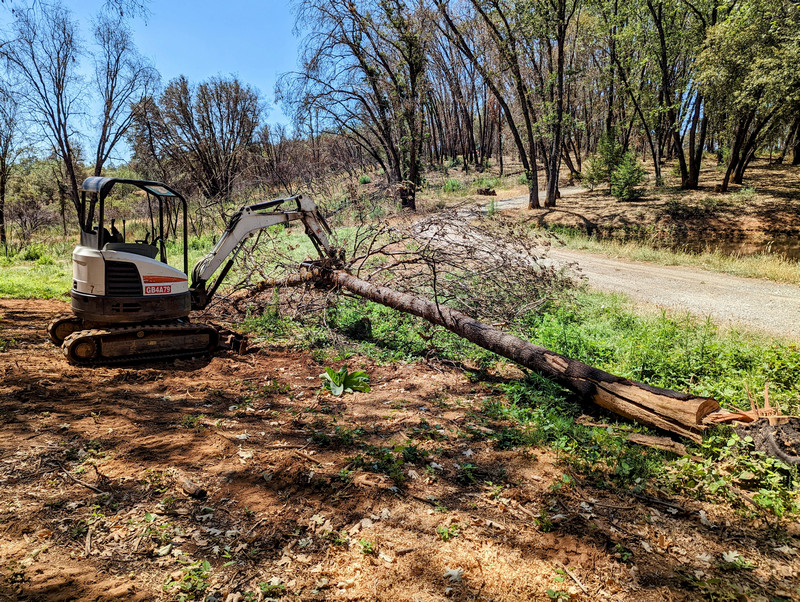
We remove brush, tall grass, vines & blackberry bushes, rake leaves and pine needles, grind stumps and haul everything away.
With our tractors and equipment we will get your property in tip-top shape, looking beautiful and safe.


Our excavator can handle everything from leveling the ground (parking areas, building pads), land clearing, retaining walls, landscaping and demolition.
Our skid steer can help with digging post holes (auger), leveling, moving material, gravel work, snow plowing, and anything else requiring motive power.

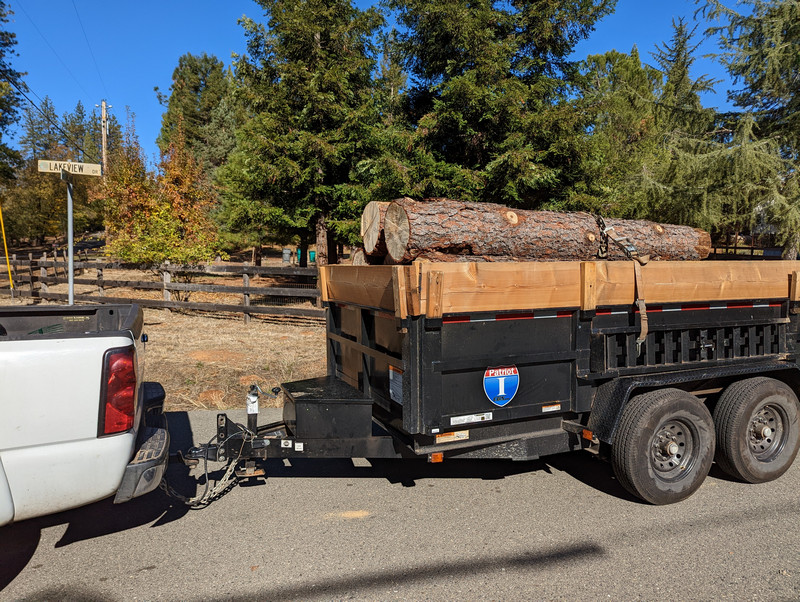
Don’t have an entire property to clean up but just need a few things hauled away? We do that too! We have a large dump trailer for all of your hauling needs.
When searching for land clearing near me in Nevada County, its important to choose a professional who’s has the experience, licensing, insurance, and equipment to get the job done.
Call Van Bemmel Landscape today for a free estimate
Learn More About Land Clearing Services
Click on any service to see more details.
Land Clearing Services
Land clearing services involve the process of preparing a piece of land for construction, agriculture, landscaping, or other purposes by removing vegetation, trees, rocks, debris, and other obstacles. Here are the typical tasks and activities involved in land clearing services:
- Assessment and Planning: We assess the site and consult with the client to understand their specific needs and requirements. This includes identifying the desired scope of work, target areas for clearing, and any potential challenges or environmental considerations.
- Vegetation Removal: The next step is removing vegetation, including tall grass, brush, bushes, shrubs, and other plants. This may involve removing stumps and clearing large areas of overgrown vegetation. Specialized equipment, such as chainsaws, brush cutters, excavators, or bulldozers, is typically used for efficient and safe vegetation removal.
- Debris and Rock Removal: Once the vegetation is cleared, the service provider removes any resulting debris, such as branches, logs, and brush. Rocks and boulders on the site are also cleared to create a smooth and even surface.
- Grading and Leveling: The land may need to be graded and leveled to prepare it for the intended use. Grading involves reshaping the land to achieve the desired slope, drainage, and contours. This may include cutting or filling areas of the land to ensure proper drainage and prevent erosion.
- Soil Preparation: In some cases, the soil may need to be prepared for the specific project requirements. This can involve soil testing, soil amendment, or soil stabilization techniques to ensure a suitable foundation for construction or agriculture.
- Erosion Control: To prevent soil erosion and maintain the integrity of the cleared land, erosion control measures may be implemented. This can include the installation of erosion control blankets, silt fences, or other erosion control devices to minimize the impact of water runoff.
- Disposal or Recycling: Removed vegetation, debris, and other materials are removed in an environmentally responsible manner. This may involve hauling the materials to recycling centers or approved disposal sites.
- Site Cleanup: Once the land clearing activities are completed, the service provider performs a thorough cleanup of the site, removing any remaining debris, equipment, or temporary structures used during the process. The site is left in a clean and presentable condition.
Please note that land clearing can vary significantly depending on the size of the land, the density of vegetation, the presence of obstacles, and any specific requirements or regulations. It is recommended to consult with a professional land clearing service such as Van Bemmel Landscape who can assess the site and provide a customized plan based on your specific needs and local regulations.
Skid Steer Services
A skid steer, also known as a skid loader, is a versatile piece of equipment commonly used in construction, landscaping, agriculture, and other industries. It is capable of performing various tasks due to its compact size, maneuverability, and interchangeable attachments. Here are some common tasks that a skid steer can accomplish:
- Excavation and Digging: Skid steers can be equipped with buckets or trenchers to excavate and dig holes, trenches, or foundations. They are useful for tasks such as site preparation, utility installation, landscaping, and digging ditches.
- Material Handling: With the use of a bucket attachment, skid steers can efficiently move and transport materials such as soil, gravel, sand, mulch, debris, or construction materials. They can load and unload trucks, fill bins or containers, or distribute materials across a site.
- Grading and Leveling: Skid steers equipped with grading attachments, such as grading buckets or land planes, can grade and level surfaces. They are used for tasks like smoothing driveways, paths, or parking lots, as well as establishing proper slopes and contours for landscaping projects.
- Clearing and Demolition: Skid steers can be fitted with attachments like grapple buckets, brush cutters, or tree shears to clear vegetation, remove brush, or perform light demolition work. They are useful for clearing land, removing small trees or shrubs, and cleaning up construction sites.
- Snow Removal: During winter months, skid steers can be equipped with snow blades, snow blowers, or snow pushers to effectively remove snow from roads, parking lots, sidewalks, and other areas. They can push, plow, or blow snow to clear pathways and ensure safe access.
- Paving and Asphalt Work: Skid steers can be used for tasks related to paving and asphalt work. They can assist in spreading and compacting materials, such as gravel or asphalt, in preparation for road or pavement construction. They can also help with patching or repairing damaged surfaces.
- Landscaping and Gardening: Skid steers are commonly employed in landscaping and gardening projects. They can be equipped with attachments like augers for digging holes for planting trees or fence posts, soil cultivators for tilling and preparing soil, or landscape rakes for leveling or removing debris.
- Utility Work: Skid steers are often used for utility-related tasks, such as trenching for utility lines, laying pipes or cables, or backfilling trenches after installation. They can be fitted with specialized attachments for these specific tasks.
Skid steers are compatible with a wide range of attachments, making them highly adaptable and versatile for various applications. The tasks a skid steer can perform depend on the specific attachments available and the capabilities of the particular model; please ask if we are equipped to handle your specific application.
Excavation Services
Excavation services involve the process of digging, moving, and removing earth or materials from a site for various construction, landscaping, or utility-related purposes. Excavation is a fundamental step in many projects, including building foundations, landscaping, road construction, and utility installations. Here are some common types of equipment used in excavation services:
- Excavators: Excavators are versatile heavy machinery commonly used in excavation projects. They have a bucket attached to a hydraulic arm that can dig, lift, and move large amounts of soil, rocks, or other materials. Excavators come in various sizes, ranging from compact mini-excavators to larger models with greater digging capacities.
- Backhoes: Backhoes are another commonly used piece of equipment in excavation services. They have a digging bucket on the back end of the machine and a loader bucket on the front. This dual functionality makes backhoes suitable for digging trenches, loading materials, and performing other tasks requiring both excavation and material handling capabilities.
- Bulldozers: Bulldozers are powerful machines with a large blade on the front that is used for pushing and leveling soil or other materials. They are commonly used in larger-scale excavation projects, such as land clearing, site grading, and road construction.
- Skid Steers: As mentioned earlier, these are compact loaders with a wide range of attachments. They can be equipped with buckets, trenchers, or other specialized tools for excavation, digging, and material handling tasks in smaller or confined spaces.
- Trenchers: Trenchers are specifically designed for digging trenches of consistent width and depth. They come in different configurations, including chain trenchers, wheel trenchers, and micro-trenchers. Trenchers are commonly used for utility installations, such as laying pipes, cables, or drainage systems.
- Loaders: Loaders, such as front-end loaders or wheel loaders, are used for loading and moving large amounts of materials, such as soil, gravel, or debris. While they are not primarily designed for excavation, they are often used in conjunction with excavators or backhoes to assist in material handling tasks.
- Dump Trucks: Dump trucks are essential for transporting excavated materials from the site to an appropriate location for disposal or reuse. They come in various sizes and capacities and are used to haul soil, rocks, debris, or other excavated materials.
- Compactors: Compactors are used to compress and compact soil or other loose materials to create a stable foundation. They are commonly used after excavation to prepare the ground for construction or landscaping projects.
This is a basic overview of equipment commonly used for excavation services. Please contact Van Bemmel Landscape for more details about our capabilities.
Yard Debris Hauling
Our yard debris hauling service provides for efficient removal and disposal of various types of yard waste, debris, or unwanted materials from residential or commercial properties. The service typically involves the collection, loading, transportation, and disposal or recycling of the yard materials. Here’s what our yard debris hauling service commonly does:
- Collection and Loading: We collect and load the yard waste and debris into our dump trailer. Debris can include things like leaves, pine needles, brush, branches, shrub trimmings, weeds, and other organic materials. Additionally, non-organic debris, such as rocks, stones, soil, or construction waste, may also be included.
- Site Cleanup: After loading, we perform a site cleanup to remove any remaining debris or residue, sweeping or raking the area, and ensuring that your property is left clean and tidy.
- Transportation: Once the debris is loaded, we haul it to the McCourtney Road Transfer Station or other nearby landfill, composting or material recycling facility. All transportation is done safely and in compliance with local regulations.
- Disposal or Recycling: At the destination facility, the debris is disposed of or processed accordingly. Organic materials may be composted, while recyclable materials are sent for recycling. Non-recyclable or non-organic waste is typically disposed of at a landfill or waste management facility. The yard hauling service ensures that the materials are handled responsibly and in an environmentally friendly manner.
Please contact Van Bemmel Landscaping today to schedule your yard waste and debris clean-up and hauling services or to ask any questions that you might have. We look forward to serving you!