
Van Bemmel Landscape offers quality landscaping services to the residents of Grass Valley, Alta Sierra, Rough & Ready, Nevada City, Penn Valley, and surrounding communities of Nevada County & beyond.
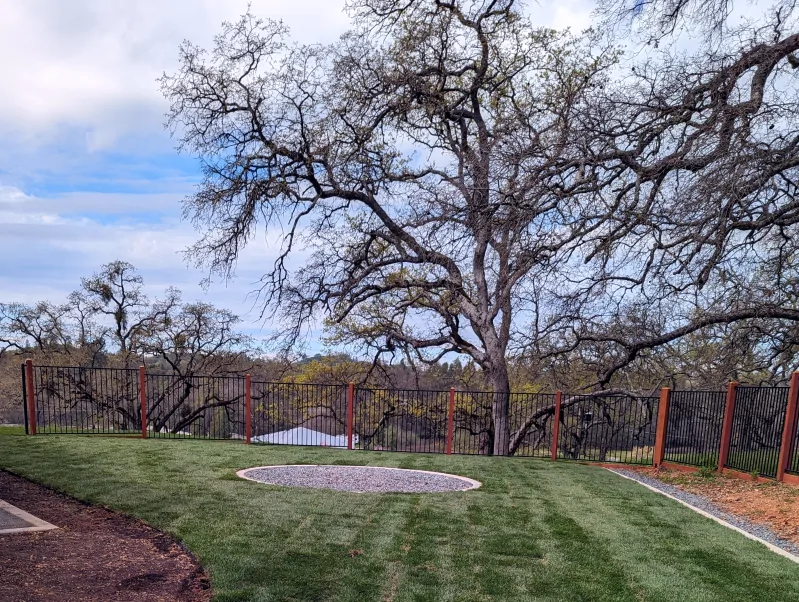
If you have an idea of how you’d like your yard to look or need a hand designing your space, Van Bemmel Landscape can help to put your ideas into motion.
From the start of an idea to the finishing touches, we will transform your yard into a beautiful extension of your home.
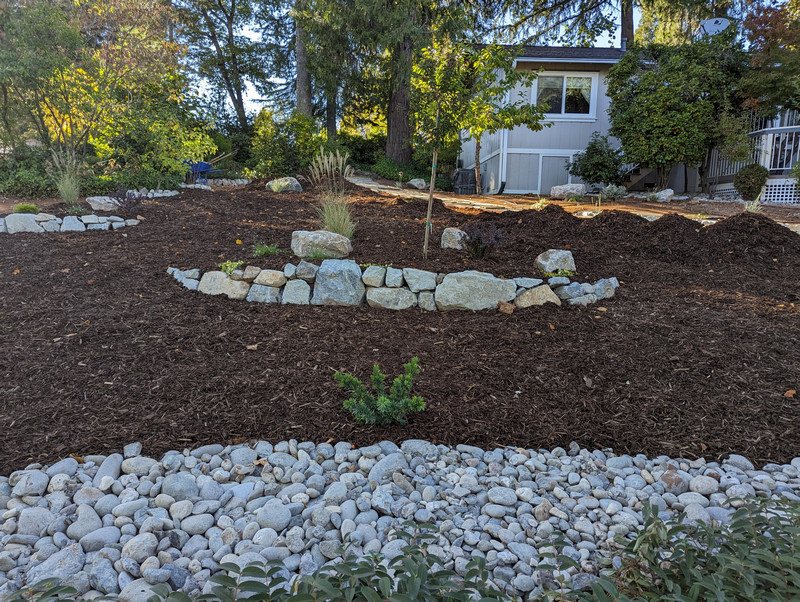
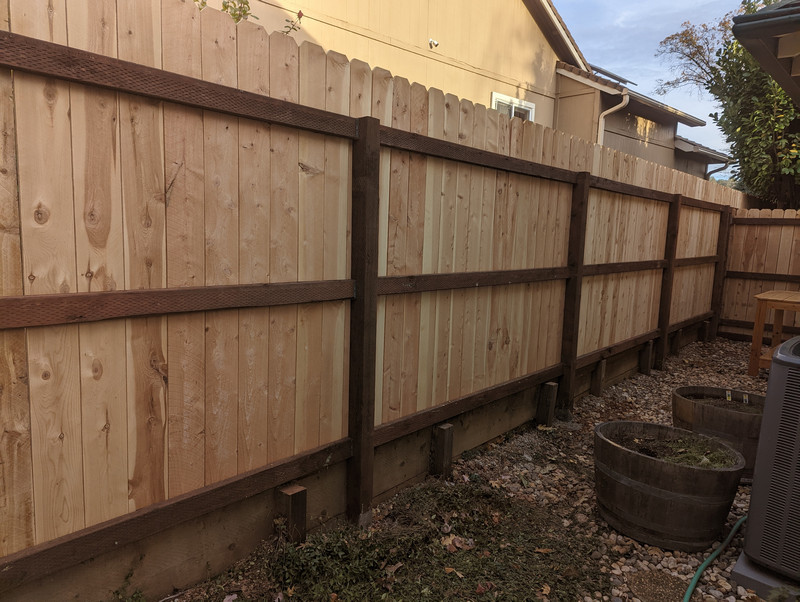
We do everything from landscape maintenance to new sod installation, lawn restoration, irrigation systems, tree planting, new plants/flowers, decorative rock & bark mulching, rain gardens, fencing and retaining walls.
When searching for a landscaper near me it’s important to choose a Grass Valley landscaping professional who’s been in business for 18 years and has the experience, licensing, insurance, and know-how to get the job done.
Give Van Bemmel Landscape a call today for a free estimate
Learn More About Our Landscaping Services
Click on any service to see more details.
Landscape Maintenance
A typical weekly residential landscape maintenance service can vary depending on your specific needs. Here are some common tasks that are often included in weekly landscape maintenance:
- Lawn Care: Mowing the lawn at an appropriate height, ensuring a clean and even appearance. Trimming the edges along walkways, driveways and landscape beds.
- Trimming and Pruning: Shrubs, hedges, and small trees are pruned and trimmed to maintain shape, promote healthy growth, prevent overgrowth and maintain clearance from structures and pathways.
- Weeding and Mulching: Weeds are removed from landscape beds, around trees, and other areas as needed. Fresh mulch may be applied to beds to suppress weed growth, conserve moisture, and enhance the appearance of the landscape.
- Plant Care: Inspect and care for plants, including flowers, perennials, and ornamental grasses. This may involve deadheading spent blooms, removing damaged or diseased foliage, and ensuring proper watering and fertilization.
- Irrigation System Check: The irrigation system is inspected regularly to ensure it is functioning correctly. This includes checking for leaks, adjusting sprinkler heads as necessary, and optimizing watering schedules based on weather conditions and seasonal requirements.
- Leaf and Debris Removal: Fallen leaves, branches, and other debris are cleared from the lawn, landscape beds, and hardscape areas to maintain cleanliness and prevent potential issues such as mold or pests.
- Pest and Disease Management: The maintenance crew may monitor the landscape for signs of pests or diseases and take appropriate action if necessary. This can involve applying environmentally friendly pest control measures or recommending treatments to address specific issues.
- Seasonal Maintenance: Depending on the time of year, additional tasks may be included in the weekly maintenance service. For example, in the fall, leaf removal and winterizing of plants and irrigation systems may be required. In the spring, services like aeration, overseeding, or fertilization may be performed.
Sod Lawn Installation
Sod lawn installation is a method of establishing a new grass lawn using pre-grown grass rolls or squares, also known as sod. It offers a quicker way to achieve an instant, lush, and mature-looking lawn compared to seeding or other methods of lawn establishment. Here’s an overview of the process involved in installing a new grass lawn using sod:
- Site Preparation: The first step is to prepare the site for sod installation. This typically involves removing any existing vegetation, such as weeds or old grass, by manually digging them out or using herbicides. The site is then graded, ensuring proper drainage and a level surface for the sod.
- Soil Preparation: The soil is prepared to create an optimal growing environment for the new sod. This may involve tilling the soil to loosen it, removing rocks and debris, and incorporating organic matter like compost to improve soil fertility and structure.
- Irrigation: Adequate irrigation is crucial for the successful establishment of a new sod lawn. Before installing the sod, the site is thoroughly watered to ensure the soil is moist but not saturated. Irrigation systems may be installed or adjusted to provide consistent watering during the establishment period.
- Sod Installation: The sod rolls or squares are delivered to the site shortly before installation to maintain their freshness. The sod is laid down in a brickwork or staggered pattern, ensuring tight seams and avoiding gaps between the pieces. The rolls are typically pressed firmly against the soil, eliminating air pockets and ensuring good soil-to-root contact.
- Trimming and Shaping: After the sod is installed, any excess sod along the edges of the lawn or around obstacles like trees or flower beds is trimmed to achieve a clean and uniform appearance.
- Rolling and Compaction: A lawn roller may be used to gently roll over the newly installed sod. This helps to ensure good contact between the sod and the soil, facilitating root establishment and minimizing air pockets.
- Watering and Maintenance: Immediately after sod installation, the lawn is thoroughly watered to help the sod settle and promote root growth. Subsequent watering is done according to a watering schedule provided by the sod supplier or landscaper. Regular watering, usually daily or as needed, is crucial during the initial establishment period to keep the sod moist and facilitate root development.
- Post-Installation Care: Depending on the specific instructions provided by the sod supplier or landscaper, additional care may be required. This can include avoiding foot traffic on the new sod for a period of time, avoiding mowing until the sod is well-established, and applying starter fertilizers or soil amendments to promote healthy growth.
Lawn Restoration
Lawn restoration / revitalization is a comprehensive approach to improving the health, appearance, and condition of an existing lawn. It involves a combination of treatments and practices aimed at rejuvenating the grass, addressing underlying issues, and promoting healthy growth. Specific components of a lawn restoration service can vary depending on the condition of the lawn and the specific needs of the homeowner, but here are some common elements:
- Lawn Assessment: Assess the current condition of the lawn, taking into account factors such as grass type, soil quality, weed presence, disease or pest issues, and overall health. This evaluation helps determine the appropriate treatments and steps needed for revitalization.
- Soil Testing: Soil testing may be conducted to analyze the nutrient levels, pH balance, and overall soil composition. The results guide the application of fertilizers and soil amendments tailored to the specific needs of the lawn.
- Aeration: Core aeration is a process that involves mechanically removing small plugs of soil from the lawn. This helps alleviate soil compaction, improve air circulation, and enhance water and nutrient absorption by the grass roots. Aeration is typically recommended for lawns with heavy foot traffic or compacted soil.
- Overseeding: Overseeding involves spreading new grass seed over the existing lawn to introduce fresh, healthy grass varieties and fill in thin or bare patches. It helps improve the density and overall appearance of the lawn.
- Fertilization: Based on the soil test results, a customized fertilization program is implemented to provide the lawn with the necessary nutrients for healthy growth. This may involve applying a combination of slow-release or organic fertilizers to promote root development, color, and overall vigor.
- Weed Control: Weed management is an essential part of lawn revitalization. Broadleaf weeds and grassy weeds are identified and treated with appropriate herbicides or weed control methods. Pre-emergent herbicides may be applied to prevent the germination of weed seeds.
- Pest and Disease Management: If pests or diseases are present, targeted treatments may be applied to control or eliminate the problem. This can include insecticides, fungicides, or other eco-friendly pest control measures.
- Watering and Irrigation: Proper watering and irrigation practices are important for a healthy lawn. Recommendations for watering frequency, duration, and timing are provided to ensure adequate moisture without overwatering or promoting disease.
- Mowing and Maintenance Guidelines: Proper mowing height and frequency are discussed to promote healthy grass growth and prevent stress or damage. Lawn care practices such as regular mowing, edging, and clean-up are often included in a lawn restoration service.
- Follow-up Visits and Maintenance: Depending on the condition of the lawn and the desired results, multiple visits may be needed to monitor progress, make necessary adjustments, and provide ongoing maintenance and care.
It’s important to note that the specific treatments and practices included in a lawn restoration service may vary depending on the lawn’s unique needs and the preferences of the homeowner. A consultation is recommended to assess the specific requirements of your lawn and develop a customized plan for revitalization.
Sprinkler & Irrigation System Service
Sprinkler and irrigation system service involves the maintenance, repair, and optimization of irrigation systems used to water lawns, gardens, landscapes, and even agricultural fields. The goal is to ensure efficient water distribution, prevent water waste, and maintain the proper functioning of the system. Here are some common tasks of our sprinkler and irrigation system service:
- Inspection and Evaluation: Inspect the entire irrigation system to assess its condition and performance. This includes checking the sprinkler heads, valves, pipes, controllers, sensors, and other components to identify any issues or areas that require attention.
- Cleaning and Adjustment: Sprinkler heads and nozzles can become clogged or damaged, affecting their spray patterns and water distribution. We clean or replace clogged nozzles and adjust the heads to ensure proper coverage and minimize overspray.
- Irrigation System Calibration: We calibrate the system to ensure that the correct amount of water is being applied to the landscape. This can involve adjusting the sprinkler run times, determining appropriate watering intervals, and optimizing the distribution uniformity.
- Repair and Replacement: Any damaged or malfunctioning components of the irrigation system, such as broken sprinkler heads, leaking pipes, faulty valves, or malfunctioning controllers, will be repaired or replaced. This helps to restore the proper functioning of the system and prevent water waste.
- Controller Programming: We review and adjust the programming settings on the irrigation controller. This includes setting watering schedules, run times, and taking into account factors such as local weather conditions, plant water requirements, and any water restrictions or regulations.
- Leak Detection and Repair: Water leaks in the irrigation system can lead to significant water waste and damage. We inspect the system for leaks, including underground pipes, and repair them.
- Rain Sensor and Moisture Sensor Maintenance: If the irrigation system is equipped with rain sensors or moisture sensors, they will be checked and calibrated to ensure accurate operation. These sensors help prevent unnecessary watering when rain has occurred or when soil moisture levels are sufficient.
- Seasonal Adjustments: We can make seasonal adjustments to the irrigation system based on changes in weather conditions and plant water requirements. This may involve modifying watering schedules, run times, and adjusting sprinkler heads to accommodate plant growth and changing environmental factors.
- Water Efficiency Upgrades: Depending on the existing system and the client’s needs, we may recommend and install water-efficient components such as pressure regulators, soil moisture sensors, or more efficient sprinkler heads. These upgrades can help minimize water waste and improve the overall efficiency of the system.
- System Testing and Documentation: After servicing the irrigation system, we conduct thorough testing to ensure all components are functioning correctly. They may provide documentation, including a report of the work done, recommendations for improvement, and instructions for ongoing maintenance.
Regular sprinkler and irrigation system service helps ensure that the system operates efficiently, conserves water, and delivers the right amount of water to maintain healthy landscapes.
Sprinkler & Irrigation System Installation
Sprinkler and irrigation system installation involves the design, planning, and installation of a new irrigation system to provide water to lawns, gardens, landscapes, or ag fields. Here are the typical steps involved in the installation process:
- Site Evaluation: We visit your site to evaluate the landscape, soil conditions, and water source and then consider factors such as the size and shape of the area to be irrigated, plant water requirements, and any specific needs or challenges of the site.
- Design and Planning: Based on the site evaluation, we create a customized irrigation system design. This design takes into account factors such as the type and layout of sprinkler heads, pipe routing, valve placement, and controller location. It aims to provide effective water coverage while minimizing water waste and ensuring efficient water distribution.
- Permitting and Utility Checks: Depending on local regulations, we may need to obtain permits for the installation and contact utility companies to mark underground utility lines to prevent accidental damage during the installation process.
- Equipment and Material Procurement: We procure all the necessary equipment and materials for the irrigation system installation. This includes sprinkler heads, valves, pipes, fittings, controllers, sensors, and other components specified in the design.
- Trenching and Pipe Installation: Trenches are dug along the planned route for the irrigation pipes. The pipes are then laid and connected according to the design. The installer ensures proper pipe sizing, slope, and alignment to facilitate water flow and minimize pressure loss.
- Sprinkler Head Installation: Sprinkler heads are installed at appropriate locations throughout the landscape. We select and install the appropriate types of sprinkler heads (e.g., spray heads, rotor heads, or drip emitters) based on the specific watering needs of different areas.
- Valve and Controller Installation: Valves, which control the flow of water to different zones, are installed at strategic points in the system. The irrigation controller, responsible for scheduling and regulating irrigation cycles, is also installed and programmed according to the specific watering requirements of the landscape.
- Backflow Prevention Installation: A backflow prevention device is installed to prevent the contamination of the water supply. This device ensures that water in the irrigation system doesn’t flow back into the main water supply.
- Connection to Water Source: The irrigation system is connected to the water source, which could be a municipal water supply, a well, or another water source. The installer ensures proper connection and installation of the necessary backflow prevention devices and pressure regulators.
- System Testing and Adjustment: Once the installation is complete, we thoroughly test the system to ensure proper functioning. This includes checking for leaks, adjusting sprinkler heads for optimal coverage, and programming the controller with the desired watering schedule.
- Client Training and Handover: The installer provides training to the client on how to operate and maintain the system. They explain the controller settings, watering schedules, and any specific maintenance requirements. The installer may also provide documentation and warranty information.
It’s important to note that the specific steps and processes involved in sprinkler and irrigation system installation may vary depending on the size of the project, local regulations, and the specific needs of the site. Hiring a professional irrigation system installer with experience and expertise ensures a proper installation that meets the watering needs of the landscape while optimizing water efficiency.
Planting & Tree Installation
Planting and tree installation service involves the professional installation of plants and trees in a landscape or garden. It is typically provided a by a local landscaping company such as Van Bemmel Landscape. Here’s an overview of what our planting and tree service entails:
- Site Evaluation and Planning: We assess your site and evaluate factors such as soil conditions, sunlight exposure, drainage, and the overall landscape design. Additionally, we consider your personal preferences, goals, and any specific requirements or constraints.
- Plant Selection: Based on the site evaluation and client preferences, we then recommend suitable plant species and varieties that will thrive in the given conditions while considering factors such as the local climate, your soil type, maintenance requirements, and aesthetic preferences.
- Sourcing and Procurement: Our next step is to source the plants and trees from reputable nurseries or suppliers and ensure that the plants are healthy, disease-free, and of appropriate size and quality for installation.
- Planting and Tree Installation: The plants and trees are carefully and professionally installed in the designated areas. We dig proper planting holes, amend the soil if necessary, and ensure correct planting depth and spacing. Tree installation may also require staking or additional support to aid in establishment.
- Soil Preparation and Amendments: If the soil requires improvement, we may incorporate organic matter or soil amendments to enhance its fertility, drainage, or structure. This helps create an optimal environment for plant growth and establishment.
- Watering and Mulching: After planting, we water the newly installed plants thoroughly to promote root establishment and may also apply a layer of mulch around the plants to conserve soil moisture, suppress weed growth, and provide insulation.
- Follow-Up Care and Maintenance: Depending on the specific service agreement, we may also provide follow-up care and maintenance services. This can include regular watering, fertilization, pruning, pest control, and monitoring the health and growth of the plants and trees.
- Client Education: If you need it, we can provide guidance and instructions on how to care for your newly installed plants and trees. This may include watering schedules, pruning techniques, and general plant care information to ensure their long-term health and vitality.
Hiring a professional with experience in planting and tree installation can help ensure the successful establishment and long-term health of the plants and trees in your landscape.
Decorative Rock & Bark Mulching
Decorative rock and bark mulching are popular landscaping techniques used to enhance the aesthetic appeal and functionality of home landscapes. Here’s an overview of each:
Decorative rock involves using various types of stones, pebbles, or gravel to create visual interest, texture, and contrast in the landscape. It is often used in areas where vegetation may be limited, such as pathways, rock gardens, or xeriscape designs. Here’s how decorative rock is typically installed:
- Site Preparation: The area where the decorative rock will be installed is prepared by removing existing vegetation, weeds, debris, and leveling the surface if necessary.
- Weed Barrier: A weed barrier fabric or geotextile is often laid down to prevent weed growth and to separate the rock from the underlying soil.
- Edging: Edging materials, such as plastic or metal landscape edging, may be installed along the borders of the rock area to create clean lines and contain the rock within the desired space.
- Rock Placement: The decorative rock is spread evenly over the prepared area to the desired thickness. The rocks can be arranged in a pattern or design to achieve the desired aesthetic effect.
Bark mulching involves applying a layer of shredded or chipped bark over the soil surface around trees, shrubs, flower beds, or other planted areas. It provides several benefits, including moisture retention, weed suppression, temperature moderation, and soil insulation. Here’s how bark mulching is typically installed:
- Site Preparation: The area to be mulched is cleared of weeds, debris, and other unwanted materials. The soil may also be cultivated or amended if needed.
- Weed Barrier: Similar to decorative rock installation, a weed barrier fabric or geotextile is often laid down before mulching to prevent weed growth.
- Edging: Edging materials or a defined border may be used to separate the mulched area from surrounding surfaces, such as walkways or lawn areas.
- Mulch Application: The shredded or chipped bark mulch is evenly spread over the prepared area. The mulch layer is typically applied to a depth of 2 to 4 inches, avoiding direct contact with the stems or trunks of plants.
- Maintenance: Regular maintenance may involve replenishing the mulch layer as it decomposes or thins out over time. Mulch should be monitored for moisture levels and adjusted as needed. Weeds that manage to grow through the mulch should be removed promptly.
Both decorative rock and bark mulching offer long-lasting benefits to the landscape, but their suitability depends on factors such as the desired aesthetic style, plant preferences, water conservation goals, and local climate. Consulting with a professional such as Van Bemmel Landscape will help determine the most suitable choice and ensure proper installation for your specific home landscape.
Rain Garden / Dry Creek Bed Installation
A rain garden (AKA “dry creek bed”) is a landscaped area designed to capture and absorb rainwater runoff, allowing it to naturally infiltrate into the ground instead of flowing into storm drains or causing erosion. It is typically planted with native vegetation that can tolerate both wet and dry conditions. Here are the general steps involved in installing a rain garden:
- Site Selection and Evaluation: We identify suitable location/s for the rain garden based on factors such as the slope of the land, proximity to downspouts or runoff sources, soil type, and available space. Evaluate the area to ensure it can accommodate the size and depth of the rain garden.
- Determine Size and Shape: We calculate the appropriate size and shape of the rain garden based on the amount of runoff it needs to handle. This is determined by factors such as the size of the contributing drainage area, average rainfall, and soil infiltration rate. Generally, rain gardens are designed to handle and infiltrate the runoff from a specific area.
- Design and Excavation: Next we create a design plan for the rain garden, considering its shape, depth, and contours. Next, we excavate the designated area to the desired depth, typically between 6 to 12 inches, removing any existing vegetation, roots, and debris.
- Soil Preparation: We amend the soil in the excavated area to improve its infiltration capacity. This may involve incorporating compost, organic matter, or sand to create a well-draining soil mixture. It’s important to ensure that the amended soil is compatible with the existing soil type.
- Create Infiltration Area: If the native soil has poor infiltration capacity, we install an infiltration area at the base of the rain garden. This is done by excavating a deeper section and filling it with a layer of gravel or crushed stone to promote water infiltration.
- Shape and Contour the Rain Garden: We then shape the excavated area to create gentle slopes and contours within the rain garden. This helps guide water flow and promotes even distribution and infiltration, ensuring the garden slopes away from nearby structures or buildings.
- Select and Install Plants: Plants that are well-suited to the site’s conditions, including wet and dry periods, are chosen. A mix of plants with varying root depths to maximize water absorption and provide habitat for wildlife is best. We plant the vegetation according to the design plan, evenly spacing and arranging them based on their mature size.
- Mulching and Mulch Maintenance: A layer of mulch, such as wood chips or shredded bark, is applied around the plants to conserve moisture, suppress weeds, and protect the soil from erosion. Mulch is applied to a depth of 2 to 3 inches, avoiding direct contact with the plant stems.
- Watering and Establishment: The newly planted rain garden should be regularly watered during the establishment period to help the plants take root. Depending on rainfall patterns, supplemental watering may be required during dry periods until the plants are well-established.
- Maintenance and Monitoring: If you choose, we may also perform routine maintenance tasks, such as weeding, pruning, and removing debris from the rain garden; monitoring the health and growth of the plants, and address any drainage issues or erosion concerns if they arise.
Consulting with a local landscape professional such as Van Bemmel Landscape can provide valuable guidance and ensure your rain garden is properly designed and installed for optimal effectiveness.
Fence Installation
Van Bemmel Landscape offers professional installation of wood, metal and field fencing for residential properties. Here are the general steps involved in our fence installation services:
- Consultation and Planning: We meet with you to understand your fencing needs, aesthetic preferences, and any specific requirements or constraints. We will also assess the property, discuss design options, materials, and determine the desired height and style of the fence.
- Obtaining Permits and Checking Regulations: Depending on the location and local regulations, permits may be required for fence installation. We will assist in obtaining the necessary permits and ensure compliance with local codes and regulations regarding fence height, setback requirements, and property lines.
- Material Selection: Based on your preferences and budget, We will recommend suitable fencing materials. Common options include wood, metal, vinyl, or composite materials. The choice of material will depend on factors such as desired aesthetics, durability, maintenance requirements, and privacy needs.
- Measurement and Ordering: Accurate measurements of the fence line are taken to determine the amount of materials needed. We then order the necessary materials, ensuring they are of the appropriate dimensions and specifications.
- Site Preparation: The area where the fence will be installed will be prepared. This may involve clearing vegetation, removing obstacles, and ensuring proper alignment of the fence line. We will also locate and mark any underground utilities to avoid accidental damage.
- Installation: The actual installation of the fence begins with the following steps:
- a. Post Installation: Holes are dug at regular intervals along the fence line to accommodate the fence posts. The depth and diameter of the holes depend on factors such as the fence height, soil conditions, and local building codes. The posts are set securely using concrete or other suitable materials.
- b. Framework Installation: The framework of the fence, such as rails and cross beams, is installed between the posts. This provides structural support and stability for the fence.
- c. Panel or Picket Installation: Depending on the type of fence, panels, pickets, or other components are attached to the framework. This step may involve cutting and fitting the materials to achieve the desired length, height, and design.
- d. Gate Installation: If the fence includes gates, they are installed along with suitable hinges, latches, and locks. The gate installation is carefully aligned and adjusted for smooth operation.
- Finishing Touches: We perform any necessary adjustments, leveling, and fine-tuning to ensure the fence is straight, even, and properly aligned. We will also address any cosmetic details, such as sanding rough edges, applying paint or stain, or adding decorative elements as per the client’s preferences.
- Cleanup: Once the fence is installed, we clean up the work area, removing any debris, excess materials, or tools used during the installation process.
The specific steps and details of a fence installation service may vary depending on the type of fence, materials used, site conditions, and local regulations. Hiring a professional fencing contractor ensures that your fence installation is done correctly, meets safety standards, and provides the desired functionality and appearance.
Retaining Wall Construction
Retaining walls are structures built in landscapes to hold back soil and create level areas on sloped terrain. They serve both functional and aesthetic purposes in landscape design. Here’s an overview of their uses and construction:
Uses of Retaining Walls in Landscapes
- Soil Erosion Control: Retaining walls help prevent soil erosion on slopes by holding the soil in place. This is particularly important in hilly or sloped landscapes where erosion can be a problem.
- Terrace Creation: By constructing a series of retaining walls, terraced areas can be created on a steep slope. Terracing provides flat or gently sloped areas for planting, gardening, or creating usable spaces such as patios or seating areas.
- Leveling and Grading: Retaining walls can be used to level uneven terrain, creating more functional and visually appealing areas for various landscape features like driveways, walkways, and play areas.
- Visual Interest and Definition: Retaining walls can add visual interest to a landscape design, creating distinct elevation changes, raised planters, or accent features. They can define boundaries, separate different areas of the landscape, and enhance the overall aesthetics of the outdoor space.
Construction of Retaining Walls
- Planning and Design: The construction of a retaining wall begins with careful planning and design. Factors such as the height of the wall, soil conditions, drainage requirements, and the load it will bear are considered. Engineering calculations may be necessary for larger or more complex walls to ensure stability.
- Excavation and Site Preparation: The area where the retaining wall will be built is excavated and leveled. The site is prepared by removing any vegetation, rocks, or debris that may interfere with the construction process.
- Foundation and Footings: A solid foundation is essential for the stability of a retaining wall. The wall’s base is constructed by excavating a trench and pouring a concrete footing. The dimensions of the footing depend on the height and load of the wall.
- Wall Construction Materials: Retaining walls can be made from various materials, including concrete blocks, bricks, natural stone, or timber. The chosen material depends on factors such as desired aesthetics, budget, and the structural requirements of the wall.
- Wall Construction: The chosen materials are stacked or laid in a specific pattern to form the retaining wall. Mortar or specialized adhesives may be used to bond the materials together, depending on the construction method and materials used.
- Drainage System: Proper drainage is crucial to prevent water buildup and pressure behind the retaining wall, which can compromise its integrity. Drainage pipes, gravel backfill, and weep holes are often incorporated into the design to allow water to drain away from the wall.
- Backfilling and Compaction: Once the wall is constructed, the space behind the wall is backfilled with suitable material such as gravel or crushed stone. The backfill is compacted in layers to provide additional support and stability to the wall.
- Finishing Touches: The retaining wall may be capped with a suitable material to provide a finished appearance and protect the top surface. Landscaping features, such as plantings or decorative elements, can be added to complement the overall design.